



2026 Subaru Forester Hybrid vs. Kia Sportage Hybrid: Which One Is Actually Right for You?
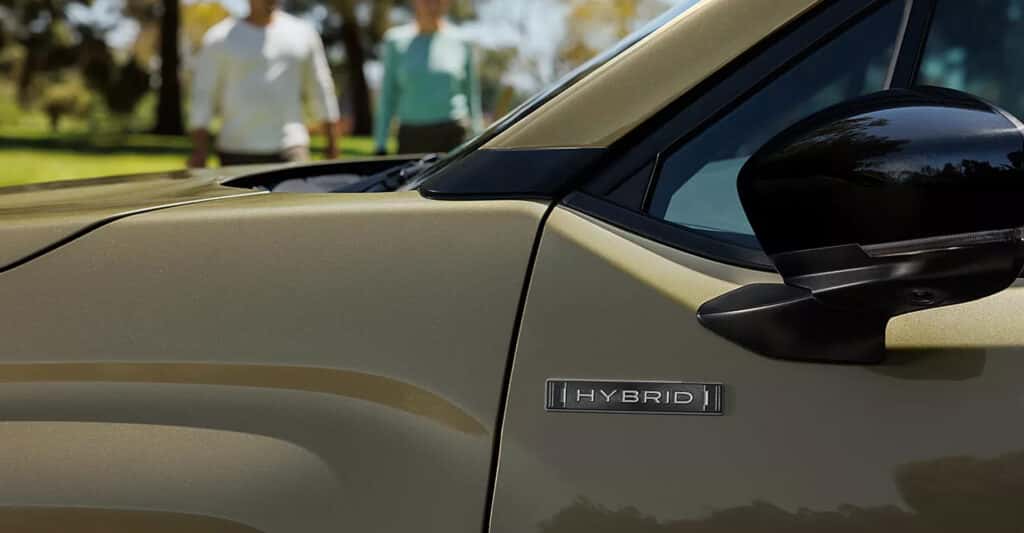
Choosing between the 2026 Subaru Forester Hybrid and the Kia Sportage Hybrid isn’t a bad problem to have. Both are strong compact hybrid SUVs, but they’re built around different priorities, and the right choice depends entirely on how you actually use your vehicle. From fuel economy and all-wheel drive capability to cargo space, safety tech, and long-term value, here’s how these two stack up where it counts.
How the Powertrains Compare
Both of these SUVs use a hybrid system, but they’re not built the same way, and that difference shows up in how they drive.
Subaru Forester Hybrid
The 2026 Forester Hybrid uses Subaru’s updated hybrid architecture paired with a 2.5-liter naturally aspirated four-cylinder. The combined system produces a smooth, linear driving experience that prioritizes efficiency and predictability over raw acceleration. It’s not a performance hybrid. It’s engineered for people who want confident, composed driving across all conditions, including rain-slicked coast roads, mountain grades, and everything in between. The Forester Hybrid’s system is tightly integrated with Subaru’s Symmetrical AWD, which means four-wheel traction is always active rather than reactive.
Kia Sportage Hybrid
The Sportage Hybrid pairs a 1.6-liter turbocharged four-cylinder with an electric motor for a combined output of 227 horsepower. It’s noticeably quicker off the line and feels sportier in city traffic. Kia’s AWD system on the Sportage Hybrid is capable, but it’s a more conventional on-demand setup that engages rear power when the system detects slip. For paved driving and light mixed conditions, it performs well. For consistently technical terrain, the distinction matters.
Fuel Economy: Real Numbers, Real Driving
MPG is one of the first things hybrid shoppers look at, and it’s worth understanding what those numbers mean outside of an EPA test cycle.
Forester Hybrid MPG
The 2026 Subaru Forester Hybrid earns an EPA-estimated 35 mpg combined, with city efficiency in particular standing out. For buyers doing a lot of stop-and-go commuting through Capitola, Santa Cruz, or over Highway 17, that city rating is where hybrid ownership pays off most. Subaru’s hybrid system also manages battery regeneration smoothly during the frequent downhill braking sections common on coastal mountain routes.
Sportage Hybrid MPG
The Kia Sportage Hybrid comes in slightly behind at around 38 mpg combined in front-wheel-drive configuration, but the AWD version drops closer to 34 mpg combined. If you’re cross-shopping the AWD Sportage against the Forester Hybrid, the efficiency gap narrows considerably, and Subaru’s always-on AWD starts to look like a better deal on a per-mile basis.
AWD Performance: The Category Subaru Wins Clearly
This is where the 2026 Subaru Forester Hybrid separates itself from the Kia Sportage Hybrid in a meaningful way, especially for buyers in areas where road conditions aren’t always predictable.
Subaru Symmetrical AWD
Subaru’s Symmetrical AWD is full-time, not a system that waits for wheelspin before distributing torque. Power is always flowing to all four wheels, which gives the Forester Hybrid a more planted, predictable feel on wet pavement, loose gravel, and moderately rough trails. Combined with the Forester’s higher ground clearance (8.7 inches standard), it’s genuinely useful for outdoor-oriented buyers, not just a spec sheet checkbox. If weekend trail access, beach road turnoffs, or muddy park-and-hike situations are part of your routine, this advantage is real and consistent.
Kia Sportage AWD
Kia’s AWD system on the Sportage Hybrid is competent and works well in most driving conditions. It handles rain and light snow capably. But it’s a reactive system, meaning it shifts power to the rear axle after detecting front-wheel slip rather than preemptively distributing torque. For drivers whose off-pavement needs are minimal, this isn’t a dealbreaker. For anyone who spends regular time on unpaved surfaces, the Forester’s approach is more confidence-inspiring.
Cargo and Interior Space
Both vehicles compete in the compact hybrid SUV segment, but their interior packaging takes different approaches.
Forester Hybrid Cargo
The Forester Hybrid offers 27.7 cubic feet of cargo space behind the rear seats, expanding to 74.2 cubic feet with the seats folded. That’s among the best in the compact SUV class. The rear loading floor is low and wide, making it practical for gear-heavy lifestyles: boards, bikes with a rack, coolers, trail gear. Rear visibility is exceptional thanks to Subaru’s large greenhouse design, which makes backing into parking spots at trailheads or beach lots noticeably easier.
Sportage Hybrid Cargo
The Sportage Hybrid comes in with approximately 30.7 cubic feet behind the rear seats. It edges out the Forester on paper, though the Forester’s lower load floor and more upright cargo shape often make it more practically usable for bulky items. Interior quality in the Sportage is excellent, with a premium-feeling cabin and a large 12.3-inch infotainment display that sets a high bar for the segment.
Explore Current Inventory
Safety Technology: EyeSight vs. Kia’s Driver Assist Suite
Both automakers have invested heavily in standard driver assistance technology, and neither buyer is getting shortchanged here.
Subaru EyeSight
Every trim of the 2026 Forester Hybrid includes Subaru’s EyeSight Driver Assist Technology as standard equipment. EyeSight uses a dual-camera system to deliver pre-collision braking, adaptive cruise control, lane departure warning, and lane centering. It’s one of the most proven systems in the industry and has earned consistent recognition from IIHS. For buyers who prioritize safety as a primary purchase driver, knowing EyeSight is standard across all trims means you don’t have to spend more to get it.
Kia’s SmartSense Suite
Kia equips the Sportage Hybrid with its SmartSense suite, which also covers forward collision avoidance, lane keeping assist, and adaptive cruise. It’s a capable system, and at higher trims the Sportage adds features like blind-spot collision avoidance and a surround-view monitor. The tradeoff is that some of the more advanced features are trim-dependent, so what you’re getting varies by how much you spend.
Warranty and Long-Term Ownership Costs
One of the most common questions when cross-shopping these two vehicles is how their warranty coverage compares, and it’s worth being clear-eyed about it.
The Warranty Reality
Kia’s warranty is longer on paper: 5 years/60,000 miles bumper-to-bumper and 10 years/100,000 miles on the powertrain. Subaru offers 3 years/36,000 miles bumper-to-bumper and 5 years/60,000 miles on the powertrain. Kia’s advantage here is real, and it’s worth factoring in if you plan to drive high annual mileage. However, Subaru’s historically strong reliability record means warranty claims tend to be less frequent in practice, and Subaru’s Certified Pre-Owned program offers additional coverage options worth considering if you’re open to a prior-year model.
Resale Value
Subaru holds its resale value exceptionally well. The Forester consistently ranks among the top compact SUVs for retained value at the three and five year marks, which matters if you plan to trade in or sell within that window. For buyers who think in terms of total cost of ownership rather than just sticker price, the Forester’s resale strength narrows the warranty advantage over time.
Which Compact Hybrid SUV Makes Sense for Your Life?
If sport performance and a longer factory warranty are your top priorities, the Kia Sportage Hybrid makes a compelling case. It’s quicker, well-appointed, and backed by one of the more generous warranty packages in the segment.
But if your priority is confident all-weather capability, practical cargo access, proven long-term reliability, and a safety system that’s standard rather than tiered, the 2026 Subaru Forester Hybrid is the stronger fit. It’s the kind of vehicle that earns its keep quietly, over years and miles, across the kinds of varied terrain and conditions that real life actually involves. For Santa Cruz area drivers who split time between highway commutes, coastal roads, and weekend trail access, the Forester Hybrid is built precisely for that mix.
At Santa Cruz Subaru, the team is ready to walk you through current Forester Hybrid availability, trim options, and any active offers. Stop by the dealership in Capitola or schedule a test drive to get behind the wheel and feel the difference for yourself.
0 comment(s) so far on 2026 Subaru Forester Hybrid vs. Kia Sportage Hybrid: Which One Is Actually Right for You?