



How to Trade In a Car That’s Not Paid Off
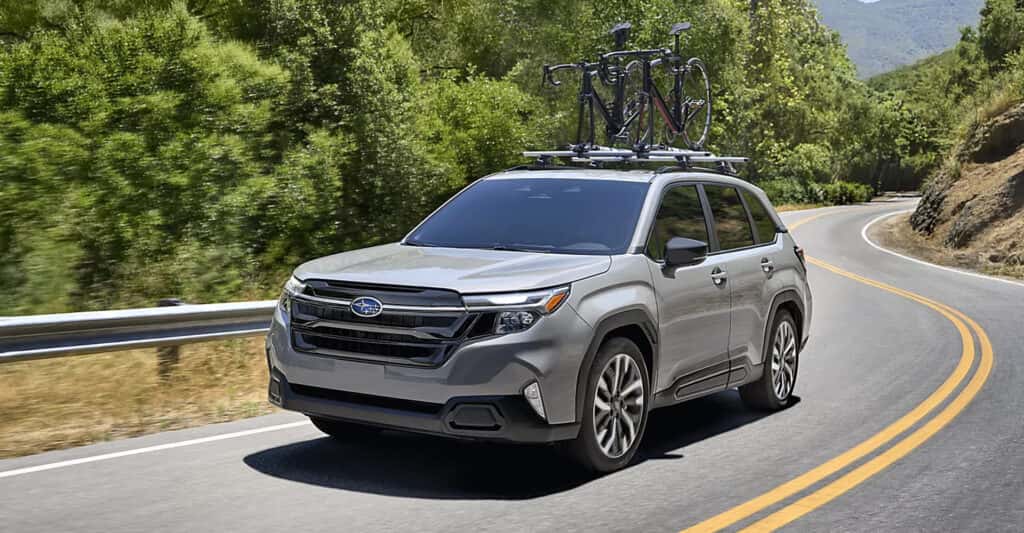
Many drivers delay upgrading their vehicle because they’re unsure whether they can trade in a car that’s not paid off. If you still owe money on your current vehicle, it’s easy to assume trading it in will be complicated—or not possible at all. But trading in a financed vehicle is common, and dealerships handle these situations every day.
This guide explains how the process works, what happens to your existing loan, and what you should consider before deciding whether to move forward.
Can You Trade In a Car That’s Not Paid Off?
Yes, you can trade in a car that’s not paid off. Having a loan balance does not automatically prevent a trade-in. What matters is how much your vehicle is worth compared to what you still owe on it.
When you trade in a financed vehicle, the dealership evaluates:
- Your vehicle’s current market value
- The remaining balance on your auto loan
The difference between those two numbers determines how the transaction is handled.
What Happens to Your Loan When You Trade In?
When you trade in a vehicle with a loan, the dealership typically works directly with your lender to handle the payoff. This removes the burden from you and simplifies the process.
Here’s what usually happens:
- The dealer contacts your lender to confirm the payoff amount
- That payoff is applied as part of the transaction
- Any remaining value (or balance) is addressed in your new deal
This is standard practice when trading in a car with loan obligations still in place.
Understanding Equity vs. Negative Equity
The key concept to understand when you trade in a car that’s not paid off is equity.
- Positive equity: Your car is worth more than what you owe
- Negative equity: You owe more than the car’s current value
If you have positive equity, that amount can be applied toward your next vehicle. If you have negative equity, you may have the option to roll over car loan balances into a new loan — depending on the situation.
If you’re unsure where you stand, a quick loan payoff and trade-in value review can provide clarity. The finance team at Santa Cruz Subaru can help you understand your options before you commit to anything.
Can You Roll Over Negative Equity Into a New Loan?
In some cases, yes. When there’s negative equity, the remaining balance may be rolled into the financing of your next vehicle. This is commonly referred to as a loan rollover.
Before choosing this option, it’s important to consider:
- The impact on your monthly payment
- The total amount financed
- How long you plan to keep your next vehicle
A knowledgeable finance professional can help you weigh whether rolling over a balance makes sense for your budget and goals.
Is It Smart to Trade In a Car That’s Not Paid Off?
There’s no one-size-fits-all answer. Trading in a vehicle with a loan can be a smart move in certain situations, especially if:
Your current vehicle no longer fits your needs
Repair or maintenance costs are increasing
You’re consolidating payments into a more manageable structure
The most important step is understanding the numbers before moving forward.
What Documents Do You Need?
If you’re planning to trade in a car that’s not paid off, having the right information ready can make the process smoother.
Typically, you’ll need:
Your vehicle title or registration
Loan account information (lender name and account number)
A valid photo ID
All keys and remotes for the vehicle
Your dealership can guide you if anything else is required.
Talk With the Finance Team at Santa Cruz Subaru
Trading in a vehicle with an outstanding loan doesn’t have to be stressful. The finance professionals at Santa Cruz Subaru are here to walk you through the process, explain your options clearly, and help you decide what makes sense for your situation.
Whether you’re exploring a new Subaru, reviewing trade-in value, or considering financing options, our team is ready to help.
0 comment(s) so far on How to Trade In a Car That’s Not Paid Off